Durability class
| Term | Definition | |||||||||||||||||||||||||||||||||||||||||||||||||||||||||||||||||||||||||||||||||||||||||||||||||||||||||||||||||||||
|---|---|---|---|---|---|---|---|---|---|---|---|---|---|---|---|---|---|---|---|---|---|---|---|---|---|---|---|---|---|---|---|---|---|---|---|---|---|---|---|---|---|---|---|---|---|---|---|---|---|---|---|---|---|---|---|---|---|---|---|---|---|---|---|---|---|---|---|---|---|---|---|---|---|---|---|---|---|---|---|---|---|---|---|---|---|---|---|---|---|---|---|---|---|---|---|---|---|---|---|---|---|---|---|---|---|---|---|---|---|---|---|---|---|---|---|---|---|---|
| Durability class | 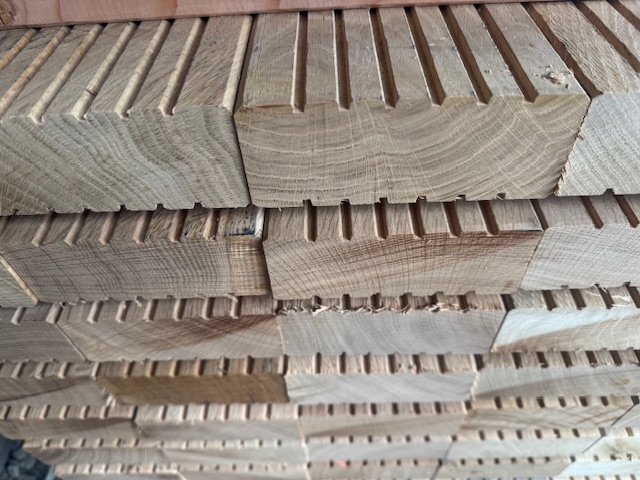 What does durability class mean?Natural durability is divided into five classes according to the European standard EN 350. The abbreviation DC is often used for this. It stands for "Durability Class". The classification refers to the natural resistance of wood against wood-destroying fungi. In principle, this assessment is based on the heartwood. The sapwood of a wood species is generally much less resistant and is usually classified as non-durable against fungal attack. The five durability classes at a glance
The lower the number, the more durable the wood. A wood species in class 1 is therefore more resistant than a wood species in class 4 or 5.
Why the durability class is importantIndoors, the durability class usually plays only a minor role as long as the wood remains dry. Outdoors, however, it is a decisive factor. There, the material is exposed to rain, dew, changing temperatures, UV radiation, dirt deposits and microorganisms. It becomes particularly critical when wood remains damp over a longer period of time. This can happen with horizontal surfaces, poorly ventilated terraces, shaded areas or direct ground contact. In such situations, an attractive-looking wood species alone is not enough. The wood must also be biologically suitable for the level of exposure.
Examples of wood species and their durability classesThe following overview shows typical classifications of commonly used wood species. The information refers to the heartwood and may vary slightly depending on origin, quality, growing conditions and source.
This table is intended as a general guide. For specific construction projects, the exact use situation is always decisive. A moderately durable wood species can last a long time with good construction, while even durable wood can be damaged prematurely by waterlogging or ground contact.
Durability of oakOak is one of the most important native wood species with good natural durability. The heartwood of oak in particular is assigned to durability class 2. This means it is considered durable and suitable for many high-quality applications, including outdoor use. However, the distinction between heartwood and sapwood is crucial. The heartwood contains natural substances that contribute to resistance. The lighter sapwood of oak, on the other hand, is much more vulnerable and should be avoided as far as possible in durable outdoor applications.
Heartwood and sapwoodThe durability class normally refers to the heartwood. This is the inner, older part of the trunk, which is darker in many wood species and contains natural substances. These substances can make the wood more resistant to fungal attack. Sapwood is located in the outer part of the trunk and serves the living tree by transporting water and nutrients. It is usually lighter, softer and biologically less durable. Therefore, a board made from a generally durable wood species can still have weak points if it contains a high proportion of sapwood. For outdoor applications, it is therefore important not to look only at the wood species. It also matters whether the material consists of low-sapwood heartwood and how carefully it has been sorted.
Durability class and service lifeNo fixed service life can be derived from the durability class. Class 2 therefore does not automatically mean that a component will always last a certain number of years. The actual service life depends heavily on the installation situation. Important influencing factors include:
A well-ventilated terrace without waterlogging can last significantly longer than a poorly designed terrace where water remains permanently on or beneath the boards.
Structural wood protection remains essentialEven a wood species with a good durability class requires a well-thought-out construction. Structural wood protection means installing wood in such a way that water can drain quickly and the material can dry again as fast as possible. This includes sufficient distance from the ground, good rear ventilation, avoiding water traps, suitable fasteners and regular cleaning. Leaves, soil and dirt in particular can retain moisture and thereby promote decay. The durability class therefore helps when choosing the right wood species. However, it does not replace professional planning. |